Using CFD to model wind, airflow, heat, and solar exposure - giving you clear insight into real conditions to support safer, more efficient, and better-performing designs.
Environmental conditions such as wind, heat, and airflow are often simplified during design, but in reality they interact with buildings and systems in complex ways. These interactions can impact pedestrian comfort, air quality, thermal performance, and operational efficiency.
E-LAB uses Computational Fluid Dynamics (CFD) to analyse how these conditions behave in context. We support design teams by identifying risks early, testing design options, and providing clear, practical advice that improves real-world performance, not just compliance on paper.
We support developers, designers, and asset owners by identifying environmental risks early and providing clear, performance-based solutions.
Poor airflow paths and thermal recirculation can reduce cooling efficiency and reliability.
Simplified assumptions often fail to predict real ventilation and airflow behaviour.
Late-stage issues can impact approvals, increase mitigation costs, and reduce long-term performance.

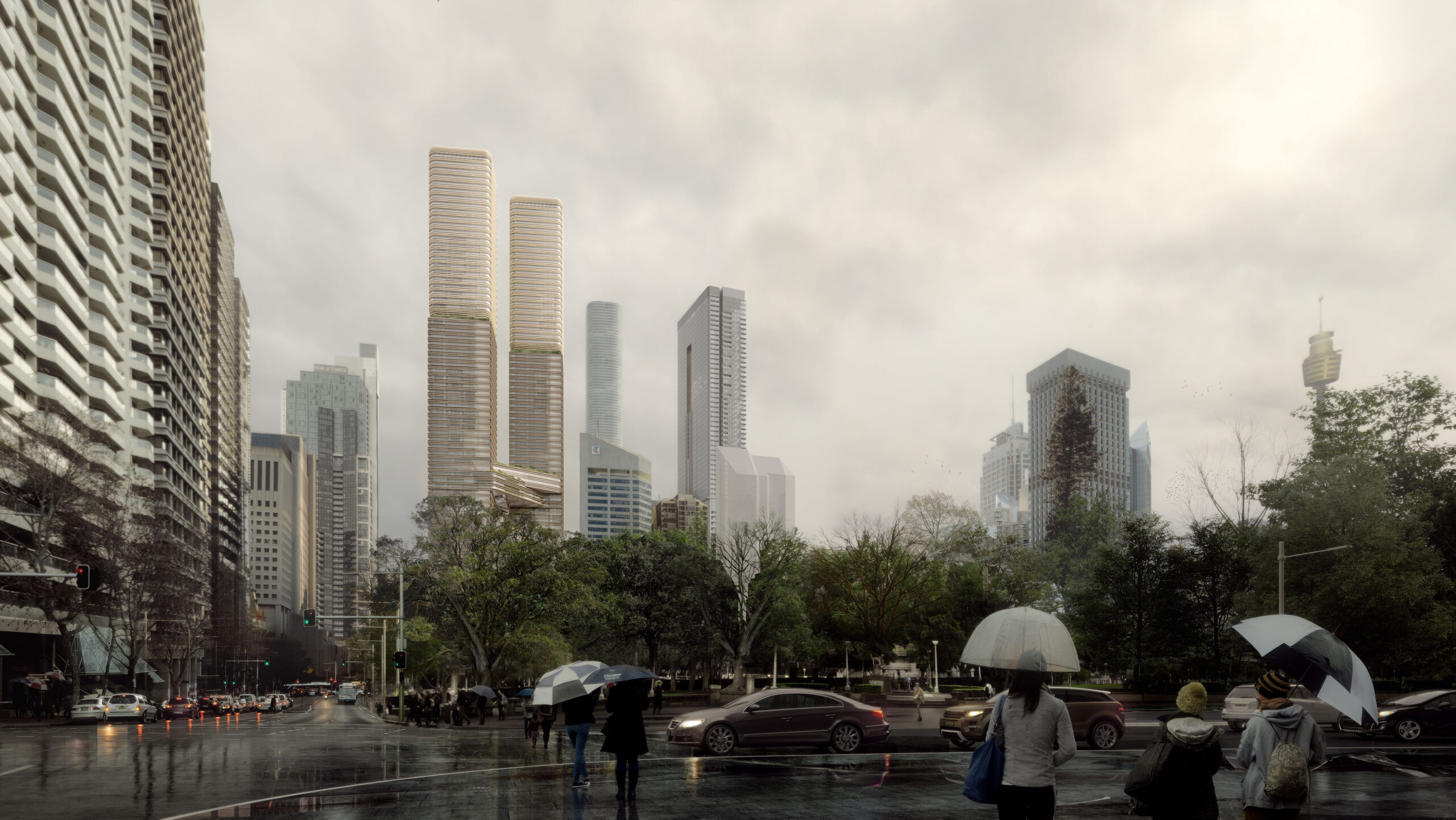
Assessment of wind comfort and safety around buildings, public spaces, and critical interfaces.
Analysis of how emissions and pollutants move through complex environments to support air quality outcomes.
Evaluation of airflow and recirculation risks affecting cooling efficiency and operational reliability.
Assessment of airflow behaviour to support passive design strategies and improve indoor environmental quality.
Understanding how wind, heat, and exposure interact to influence outdoor comfort and usability.
Assessment of solar reflections and glare impacts on surrounding buildings, public areas, and sensitive receptors.
Establish project objectives, environmental conditions, and key performance risks with the design team.
Review site context, geometry, and prevailing conditions to identify critical scenarios.
Develop CFD simulations to assess airflow, thermal, and environmental behaviour.
Evaluate design options and mitigation strategies under representative conditions.
Provide practical recommendations and support ongoing optimisation as the design evolves.
We use physics-based modelling to understand real behaviour, not rely on simplified assumptions or black-box tools.
Close collaboration across design disciplines to resolve complex, non-standard challenges.
Clear recommendations aligned with real-world constraints, delivery, and project certainty.